



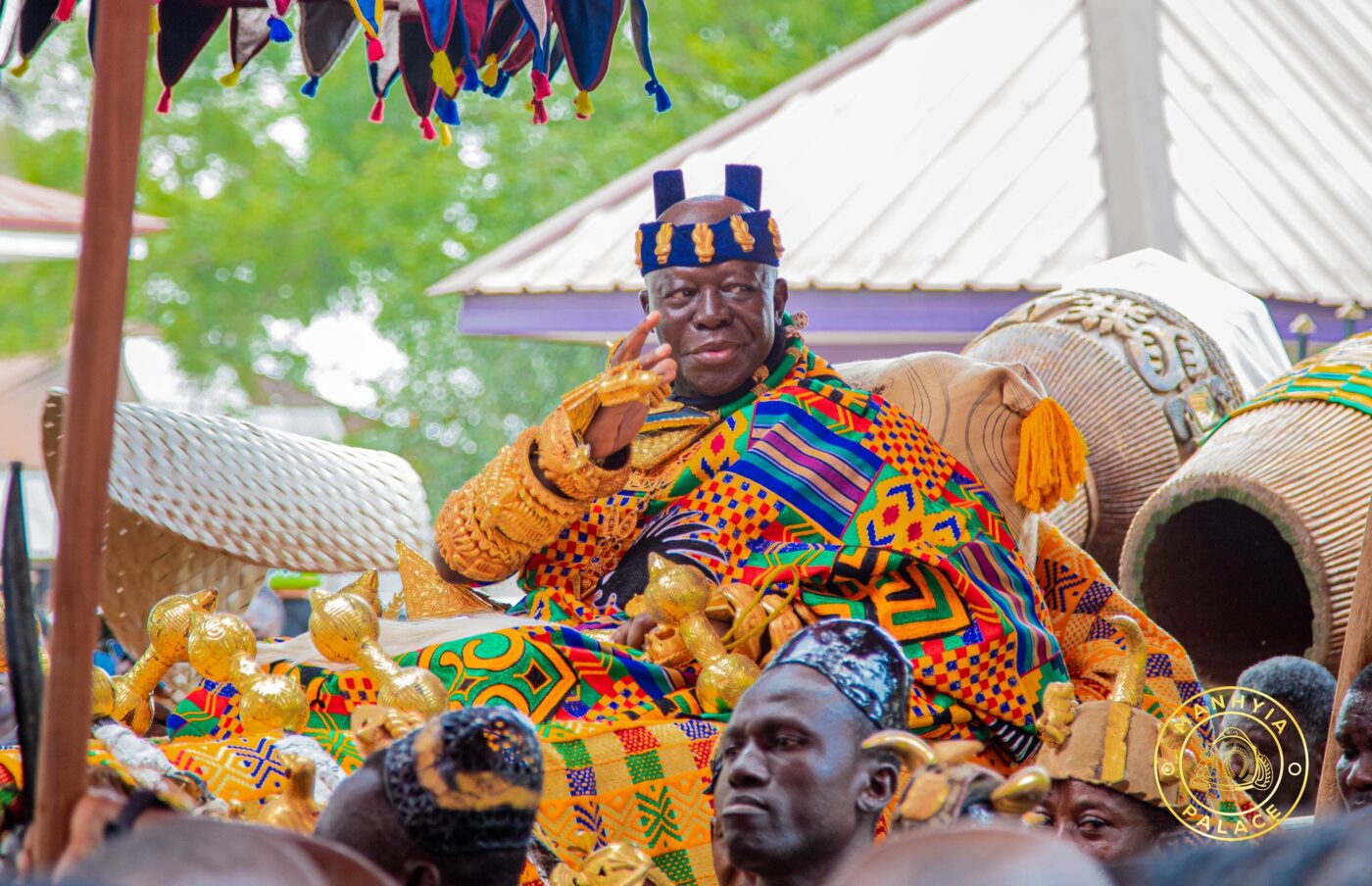
The Asantehene, Otumfuo Osei Tutu II, has reiterated that allodial ownership of land in Asanteman belongs exclusively to the stools, which hold such lands in trust for the Golden Stool, insisting that no family or individual can claim allodial title under Ashanti customary law.
Addressing participants at the Supreme Court’s 150th Anniversary Celebrations and Lecture Series in Kumasi on Thursday, July 16, 2026, the Asantehene said persistent land disputes and court cases underscore the need for a clearer understanding of Ashanti customary land tenure.
He described land ownership as one of the most important customary law issues facing Asanteman today.
“Another issue of profound importance relates to land ownership within Asanteman. Questions concerning the nature of allodial title, stool lands and customary interests continue to generate significant agitations, uncertainty and sometimes litigation,” he said.
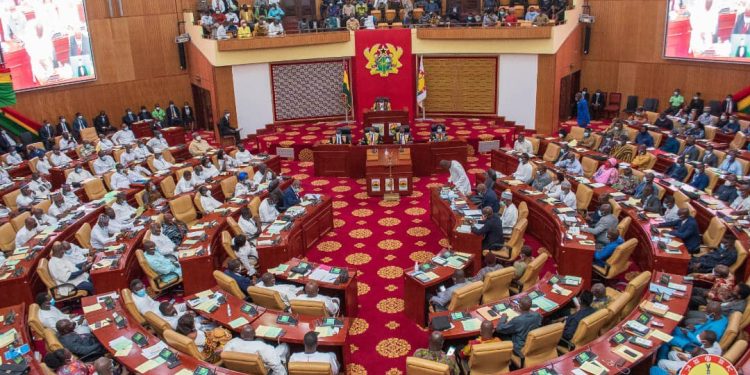
The event brought together judges, lawyers, traditional leaders, academics and policymakers to discuss the relationship between customary law and Ghana’s formal judicial system as part of activities marking the apex court’s 150th anniversary.
Otumfuo cited the recent dispute over portions of land belonging to the Kwame Nkrumah University of Science and Technology (KNUST) as an example of attempts to challenge long-established customary ownership arrangements.
He explained that the university acquired the land through an agreement between his predecessor and Ghana’s first President, Osagyefo Dr Kwame Nkrumah, after the area had been properly surveyed and demarcated.
“I had the occasion to comment when I was at KNUST, where those lands have been bequeathed to the university, demarcated by my predecessor, who then was a surveyor before he became the Asantehene, and that was a barter trade between Osagyefo Kwame Nkrumah and the school for us,” he said.
Expressing concern over legal claims to parts of the university’s land, the Asantehene criticised attempts by some individuals and family heads to assert ownership of large portions of the property.
“Some people have the impudence, from family heads or something, to go to court to ask for over one thousand acres of that school land. And with all due respect, my learned friends, some people also followed that. I believe that is wrong,” he stated.
Reaffirming the customary position, Otumfuo stressed that allodial ownership in Asanteman rests with the stools on behalf of the Golden Stool.
“First and foremost, it is imperative to state for emphasis that in Asanteman, allodial ownership of land vests in the stools who hold the same in trust for the Golden Stool. There are no family allodial lands in Ashanti,” he said.
He explained that while families and individuals may lawfully occupy or use land, they can only hold recognised customary interests, including leasehold or usufructuary rights, and not allodial title. Any valid claim to land, he added, must be traceable to a recognised stool and supported by evidence of customary obligations performed for that stool.
Otumfuo further noted that the Ashanti Confederacy resolved in 1938 that all land in Ashanti should vest in the stools in trust for the Golden Stool, a principle he said is also protected under Ghana’s Constitution.
He urged judges, lawyers and litigants to give due recognition to established customary law when handling land disputes involving Asanteman, saying a better understanding of the customary land tenure system would help reduce unnecessary litigation and strengthen legal certainty.