



Although Ghana’s headline inflation rate dropped to 4.6 percent in July 2026, many households are still grappling with rising costs for essential expenses such as rent, transport and school fees, according to the latest Consumer Price Index (CPI) report released by the Ghana Statistical Service (GSS).
The report indicates that while declining food prices helped push overall inflation lower, inflation in several key service sectors remains significantly above the national average, meaning many families are yet to experience meaningful relief in their daily living costs.
Housing, water, electricity, gas and other fuels recorded an annual inflation rate of 8.3 percent in July, nearly double the national inflation rate. The category also posted a month-on-month increase, reflecting continued growth in housing-related expenses.
Rent remained the largest contributor to Ghana’s inflation basket, accounting for 13 percent of the overall inflation figure, more than any single food item.
Education costs also continued to rise sharply. Inflation in the education sector reached 9.4 percent, with secondary school fees alone contributing 5.4 percent to the overall inflation rate.
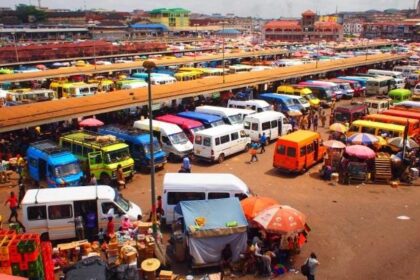
Transport costs also remained elevated, recording an inflation rate of 7.5 percent. Bus and trotro fares similarly accounted for 5.4 percent of the overall inflation figure, underscoring the continued pressure on commuters.
According to the GSS, the slower national inflation rate does not necessarily reflect the spending patterns of individual households because headline inflation measures average price movements across 307 goods and services, each weighted according to its share of consumer spending.
As a result, although rent, education and transport remain among the biggest expenses for many families, their individual price increases have a relatively smaller impact on the overall inflation rate.
The report further showed that services continue to drive inflationary pressures across the economy.
Services inflation, which includes housing, education, transport, restaurants, insurance and financial services, stood at 8.5 percent in July, compared to goods inflation of 3.4 percent.
Insurance and financial services recorded one of the highest increases during the period, with inflation in that category rising from 8.1 percent in June to 9.7 percent in July.
The latest figures suggest that despite Ghana’s improving inflation outlook, many households continue to face significant financial pressure as the cost of essential services remains well above the national average.