



Commuters across Ghana will pay higher fares from Saturday, September 26, 2026, after the government and transport unions agreed on an 8% increase in public transport fares.
The new fares follow weeks of negotiations over the 2026 fare review, with transport operators initially seeking a much larger adjustment.
The Ghana Private Road Transport Union (GPRTU) and the Ghana Road Transport Coordinating Council (GRTCC) had proposed a 30% increase, citing rising fuel prices, vehicle maintenance costs, spare parts and other expenses associated with operating commercial vehicles.
At a meeting with the Ministry of Transport on September 8, the unions formally presented their proposal while the government outlined measures intended to ease some of the pressure on transport operators.
One of the measures included a GH¢2 per litre intervention on diesel.
Following the meeting, a joint team comprising representatives of the Ministry of Transport, GPRTU and GRTCC was tasked with reviewing the cost of running commercial transport services and determining an appropriate adjustment.
The negotiations had initially remained unresolved, with the GPRTU insisting that discussions over its proposed 30% increase were still ongoing.
The union’s Deputy Public Relations Officer, Samuel Amoah, had said there was no agreement to suspend the proposed adjustment.
“There has never been any agreement with the government that we are suspending our proposed increment,” he said.
He added that although the union was pushing for a 30% increase, it remained open to negotiations.
“We are pushing for 30% increment. That is what was on the table at the last Friday negotiation,” he said.
The latest agreement, however, settles the 2026 fare review at an 8% increase.
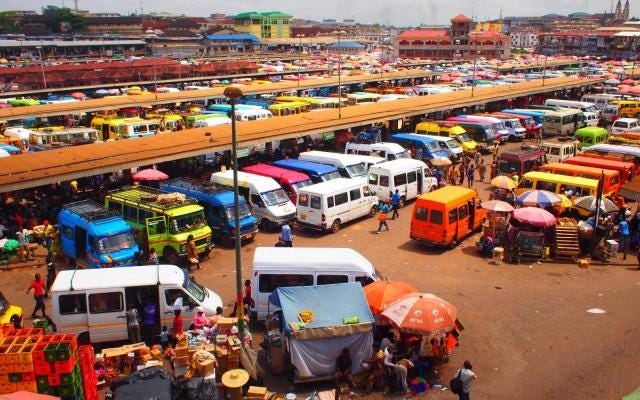
The adjustment will apply to trotros, shared taxis and other commercial public transport services, with the revised fares taking effect from September 26.
The new rates will be implemented according to the fare structure agreed between the government and transport operators.
The increase is expected to affect daily commuting costs for passengers across the country as operators adjust their charges to reflect the revised rates.