



The International Monetary Fund (IMF) has raised concerns over the financial impact of Ghana’s Domestic Gold Purchase Programme (DGPP), saying the initiative placed significant pressure on the Bank of Ghana’s (BoG) finances despite contributing to the stability of the cedi and helping rebuild the country’s reserves.
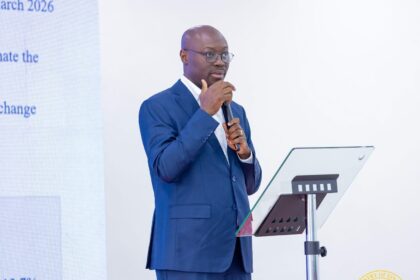
IMF Resident Representative in Ghana, Dr Adrian Alter, said the programme generated substantial losses for the central bank while also raising questions about governance, transparency and reporting.
Speaking on Channel One TV on Monday, August 24, 2026, Dr Alter said the DGPP was among the factors that contributed to the deterioration of the BoG’s balance sheet.
He noted that the central bank’s equity stood at about seven percent at the end of 2025, with the Domestic Debt Exchange Programme (DDEP) and gold purchase programme both contributing to the decline.
“The lessons from the Domestic Gold Purchase Programme are also that we need to be careful about governance, transparency, reporting, and care about the costs incurred by the programme,” he said.
Dr Alter also cautioned against the central bank engaging in activities that are essentially fiscal in nature, arguing that such operations could weaken its balance sheet and interfere with its core responsibility of maintaining price stability.
“The main point here is that the central bank cannot be involved in this quasi-fiscal activity, because its balance sheet is deteriorating, and that basically can interfere with its primary mandate, which is price stability,” he said.
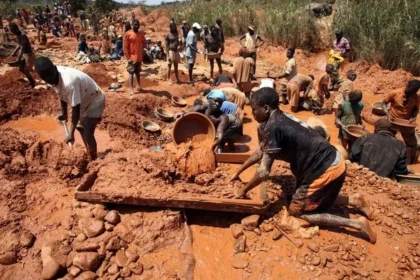
Despite the financial concerns, the IMF representative acknowledged that the increase in gold export earnings had provided important benefits for Ghana.
According to him, higher gold proceeds helped support the cedi and contributed to the rebuilding of the country’s international reserves.
He stressed, however, that these gains needed to be considered alongside the costs incurred through the programme.
The IMF also emphasised the need to safeguard the independence of the Bank of Ghana and prevent fiscal dominance, where the central bank becomes involved in financing government activities.
“The second one is central bank independence. That’s key. When you talk about fiscal dominance, basically lending to the government, you need an independent central bank,” Dr Alter said.
He argued that government institutions should raise funds through financial markets and commercial banks rather than rely on the central bank’s balance sheet.
The gold purchasing and selling operations under the programme have since been transferred from the Bank of Ghana to the Ghana Gold Board (GoldBod), separating the activities from the central bank’s core monetary policy functions.
According to the IMF’s assessment, the Domestic Gold Purchase Programme was associated with losses of about GH¢22 billion, equivalent to approximately US$1.7 billion, in 2025.
The findings are expected to intensify debate over the structure, financing and oversight of Ghana’s gold purchasing strategy and the extent to which its economic benefits justify the financial costs incurred by the central bank.