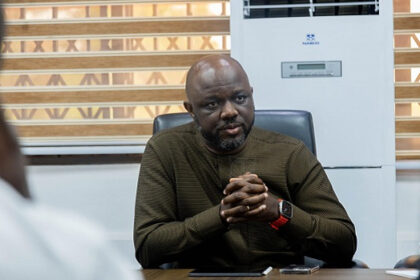





Ghana loses more than US$3 billion every year through corruption, according to the Deputy Chairman in charge of Operations at the National Commission for Civic Education (NCCE), Samuel Asare Akuamoah.
He said the scale of the losses should be a wake-up call for Ghanaians, particularly young people, to become more active in demanding accountability and protecting public resources.
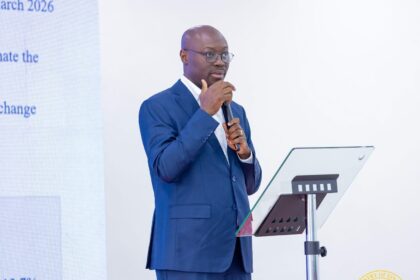
Akuamoah made the remarks in his opening address at a Youth Leaders Empowerment Dialogue in Accra on “Civic Engagements on the Rule of Law and the Fight Against Corruption”.
He said money lost through corrupt practices could instead be channelled into infrastructure, job creation and essential public services, all of which remain in high demand.
According to him, the fight against corruption should not be left solely to state institutions. He challenged young leaders to turn civic education into practical action rather than limiting their participation to conferences and public discussions.
Akuamoah urged the youth to champion accountability, respect for the rule of law and responsible governance, arguing that their involvement would be crucial to changing the country’s governance culture.
The Executive Director of Transparency International Ghana, Mary Addah, also called on young people to take a leading role in the fight against corruption.
She warned that Ghana could not afford to give in to cynicism or a culture of impunity, particularly as the country’s performance on the Corruption Perceptions Index remained stagnant between 2020 and 2024.
Addah described the trend as worrying, saying it suggested that Ghana had not made enough progress in tackling corruption.
She acknowledged that the country has constitutional and institutional structures designed to promote transparency, accountability, integrity and the rule of law, but said the greater challenge was ensuring that those principles were reflected in everyday conduct.
She further explained that the rule of law goes beyond simply having legislation in place. It also requires those exercising public power to operate within clearly defined limits and remain accountable for their decisions.
Addah said public office should be viewed as a responsibility to citizens rather than an opportunity to pursue personal interests.
She urged young people to demonstrate integrity, selflessness and a sense of responsibility, stressing that doing the right thing should not depend on whether someone was watching.
Panelists at the dialogue similarly encouraged young people to move beyond attending civic education programmes and become active advocates for transparency and accountability.
They urged participants to use social media, community meetings and civic education clubs to share accurate information, demand transparency and engage public officials on matters affecting their communities.
The panelists also stressed the importance of understanding the Constitution, public procurement, the national budget, public financial management and the Right to Information Act.
They maintained that the fight against corruption could not be entrusted to state institutions alone and called on young Ghanaians to play a more active role in protecting the public purse.
Note: Your original headline says US$3 million, while the story repeatedly states US$3 billion. I used US$3 billion to match the body of the story.