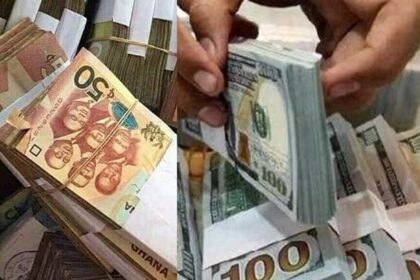




The Ghana Cocoa Board (COCOBOD) is planning to raise $1.4 billion, equivalent to about GH¢16.3 billion, from domestic investors to finance cocoa purchases for the 2026/2027 season.
The move marks a shift from the Board’s traditional reliance on foreign borrowing to fund its cocoa purchasing operations.
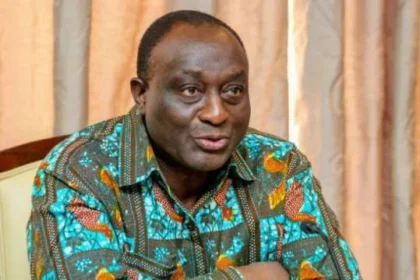
COCOBOD Deputy CEO in charge of Finance and Administration, Ato Boateng, said the decision was influenced by the relative stability of the cedi and the decline in domestic interest rates.
Speaking on Channel One TV on Monday, September 28, 2026, Boateng said relying more on domestic funding would help reduce the impact of large foreign currency flows on the exchange rate.
“This change is as a result of the currency stability that we want in the country. Historically, the syndication brought in a lot of money and given the new macro environment, the cedi-dollar exchange rate would want to stabilise it,” he said.
He explained that raising funds locally would reduce the need for large dollar inflows and subsequent outflows associated with foreign currency financing.
“So a stabilising effect would be to do domestic funding so that you don’t have a lot of chunk dollars coming in at the same chunk going out,” he added.
Boateng also pointed to the decline in interest rates as another reason domestic borrowing has become more attractive for COCOBOD.
“Secondly, the macro environment is very good. The interest rate environment has gone down. So this is the right time to sort of use the domestic resources to finance the purchase of the crop,” he said.
The planned $1.4 billion financing is expected to support COCOBOD’s cocoa purchases for the new season, while also helping the Board settle outstanding obligations and support operations across the cocoa sector.
COCOBOD has traditionally relied heavily on foreign currency loans to pre-finance cocoa purchases. The financing allows the Board to pay cocoa farmers promptly, with the cocoa later sold on the international market in US dollars.
However, fluctuations in the cedi-dollar exchange rate can affect the cost of servicing foreign currency loans and place additional pressure on COCOBOD’s finances.
The decision to increase domestic financing therefore comes as the Board seeks to take advantage of the prevailing economic conditions while reducing its exposure to foreign currency financing.
The latest financing plan also follows an improvement in COCOBOD’s financial performance.
Its operating revenue increased from GH¢15.8 billion in 2024 to GH¢48.6 billion in 2025, while its net profit margin improved from a negative 35.1% in 2024 to 10.4% in 2025.
The planned shift towards domestic financing is expected to form part of COCOBOD’s broader approach to funding cocoa purchases while managing foreign exchange and financing costs.