



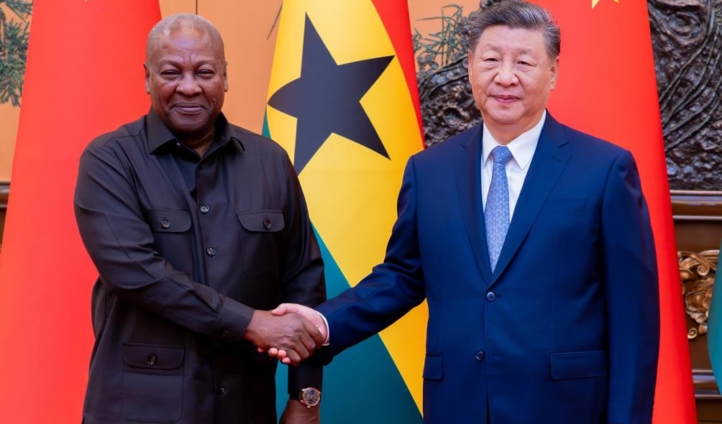
Ghana has secured a major trade boost after China agreed to grant zero-tariff access to all Ghanaian exports, following high-level discussions held during the China-Africa Summit in Changsha.
The agreement means that goods exported from Ghana to China will no longer attract import duties, making Ghanaian products more affordable and competitive in one of the world’s largest markets.
Why the deal matters
China has been Ghana’s largest trading partner for several years, with bilateral trade exceeding $11 billion in 2024.
Under normal circumstances, import tariffs increase the cost of foreign goods entering a country. By removing these tariffs, China is effectively lowering the cost of Ghanaian products for Chinese buyers, potentially increasing demand and boosting exports.
Potential benefits for Ghana
Economists believe the agreement could provide several advantages:
- Higher export earnings
- Increased foreign exchange inflows
- More jobs across export-oriented industries
- Greater investment in manufacturing and processing
- Stronger economic growth
The deal also gives Ghanaian businesses access to a market of more than 1.4 billion consumers.
Sectors likely to gain
Agriculture
Agriculture is expected to be one of the biggest winners. Products that could see increased demand include:
- Cocoa and cocoa products
- Cashew nuts
- Pineapples and other tropical fruits
- Shea butter
- Natural oils and agricultural products
Mining and minerals
Ghana’s mineral sector could also benefit significantly.
Key products include:
- Gold
- Bauxite
- Lithium
The lithium sector, in particular, presents opportunities as global demand for batteries and electric vehicles continues to grow.
Manufacturing and value addition
The agreement creates a stronger incentive for Ghana to move beyond exporting raw materials.
Potential growth areas include:
- Chocolate and cocoa processing
- Packaged shea butter products
- Refined mineral products
- Agro-processing industries
Producing finished goods locally could generate more jobs and retain more value within the Ghanaian economy.
Challenges Ghana must address
While the agreement opens new opportunities, success is not guaranteed.
Experts say Ghana must improve:
- Road, rail and port infrastructure
- Electricity supply
- Access to financing for exporters
- Manufacturing capacity
- Product quality standards
- Trade logistics and efficiency
Without these improvements, local producers may struggle to meet growing demand from the Chinese market.
The bigger picture
The zero-tariff arrangement has the potential to increase exports, create jobs and accelerate industrialisation. However, the long-term benefits will depend on Ghana’s ability to expand production, add value to its raw materials and strengthen its competitiveness.
If properly leveraged, the agreement could help transform Ghana from primarily a raw-material exporter into a stronger manufacturing and export-driven economy.