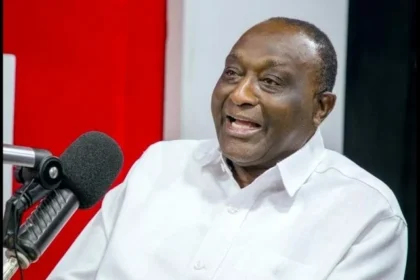




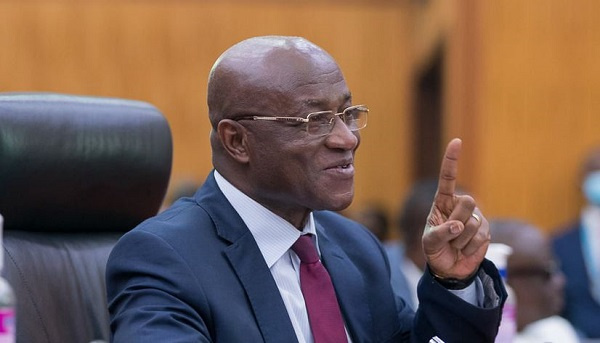
Former Majority Leader Osei Kyei-Mensah-Bonsu has challenged Speaker of Parliament Alban Bagbin’s directive to revisit the Human Sexual Rights and Family Values Bill, arguing that the Constitution does not allow the Speaker to return a bill to Parliament after it has been passed.
Speaking in an interview on Kessben TV on June 11, 2026, Kyei-Mensah-Bonsu explained that a bill ceases to be before Parliament once it has successfully gone through all the required legislative stages.
“It is against the Constitution and the Standing Orders to reintroduce the bill. There are processes to be followed before a bill is passed: First Reading, Second Reading, Consideration Stage, and Third Reading. A bill is not passed by the House unless it has gone through all these stages. Once it is passed, it moves from Parliament,” he said.
The former Majority Leader noted that if concerns arise after a bill has been passed, it is the President who may initiate further action through the constitutional process.
According to him, Parliament’s work on a bill ends once it is passed, and the Speaker cannot unilaterally reopen the legislative process.
“The president will have to consult the Attorney General. If there is any need for the bill to come back to Parliament, it is the president who can send it back, not the speaker,” he stated.
His comments follow Speaker Bagbin’s directive for Parliament to revisit the anti-LGBTQ bill over concerns that the bipartisan support reflected in the committee report was not sufficiently demonstrated during proceedings on the floor of the House.
Meanwhile, President John Dramani Mahama has indicated that the bill is not yet ready to become law, citing unresolved procedural and constitutional issues despite its recent passage by Parliament.
Parliament passed the Human Sexual Rights and Family Values Bill, 2025, on May 29 after extensive debate and several amendments. The bill seeks to regulate LGBTQ-related activities in Ghana.
A similar bill passed by Parliament in 2024 did not become law after former President Nana Addo Dankwa Akufo-Addo declined to assent to it amid legal challenges.