



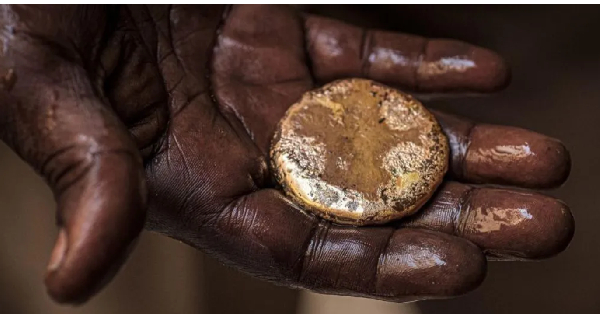
The European Union has announced a ban on the purchase, import and transfer of gold from Sudan, describing the precious metal as a major source of funding for the country’s ongoing civil war.
The conflict, which began in April 2023 between Sudan’s regular army and the paramilitary Rapid Support Forces (RSF), has led to one of the world’s worst humanitarian crises, displacing more than 14 million people.
As one of Africa’s leading gold producers, Sudan has seen its vast mineral wealth become a critical revenue stream for both sides of the conflict, according to rights groups.
In addition to the gold ban, EU foreign ministers approved restrictions on the export of mercury and cyanide to Sudan, two chemicals commonly used in gold mining.
UN experts and other analysts estimate that more than half of Sudan’s gold production, and possibly as much as 70 percent, is smuggled out of the country each year.
The RSF controls most of the goldfields in the western and central regions of Darfur and Kordofan, while the Sudanese army oversees production in the country’s northern and eastern areas.
Much of the gold is reportedly trafficked through neighbouring countries, including Egypt, Chad and Libya, before ending up in Dubai in the United Arab Emirates, one of the world’s leading centres for gold refining and trade.
In a statement, the EU Council said gold had become “a key source of revenue sustaining the conflict in Sudan,” adding that the new measures are intended to reduce the financial resources available to those driving the violence.
“The measures are designed to curb sources of financing for the conflict and further increase pressure on those fuelling the war,” the statement added.
Under the new sanctions, individuals and companies within the European Union are prohibited from buying, importing or transporting gold originating from Sudan. However, mercury and cyanide intended for humanitarian and public health purposes are exempt from the export ban.
The latest measures build on the EU’s existing sanctions against individuals and organisations accused of contributing to the conflict.
Despite the new restrictions, experts caution that sanctions alone are unlikely to significantly disrupt the illicit gold trade unless key international trading hubs and regional transit countries strengthen enforcement efforts.
International calls for those backing the conflict to withdraw support have also intensified as aid agencies estimate that more than 28 million people in Sudan are facing acute hunger.