




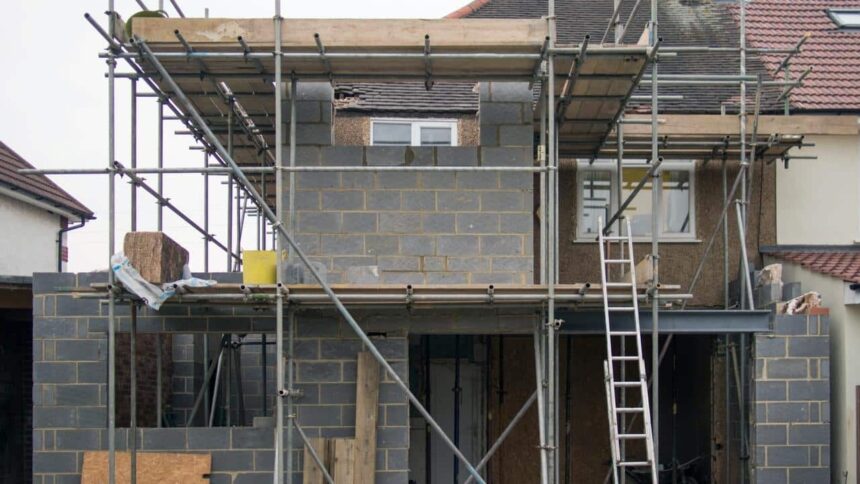
The cost of construction in Ghana has started rising again, with building cost inflation reaching 4.6% in August 2026, its highest level in nine months.
Data from the Ghana Statistical Service (GSS) shows that building cost inflation has increased steadily since April, when the rate stood at 2.2%.
The rate rose to 2.7% in May, 3.1% in June and 4.0% in July before reaching 4.6% in August.
The latest figure means building cost inflation has more than doubled within four months, marking a reversal of the easing trend recorded earlier in the year.
The Prime Building Cost Index also edged up to 138.4 in August from 138.3 in July. This represents the highest level recorded since the GSS began publishing the current index series in January 2024.
For comparison, the index stood at 132.3 in August 2025.
The biggest source of pressure continues to be plant, which covers construction equipment and machinery.
Inflation for the plant group stood at 17.9% in August, only slightly lower than the 18.0% recorded in July.
The figure represents a sharp increase from the 2.6% recorded in February and March, highlighting the significant rise in equipment-related costs in recent months.
Building materials are also becoming more expensive.
Materials inflation increased to 5.8% in August from 5.1% in July and 2.4% in April, adding further pressure to the overall cost of construction.
Labour costs, however, provided some relief. Labour inflation stood at -2.9% in August, compared with -3.2% in July, indicating that labour costs remained lower than the corresponding period a year earlier.
The latest figures mark a significant shift from the prolonged period of declining building cost inflation.
The rate reached a peak of 24.4% in April 2025, the highest level recorded in the current series, before declining for 11 consecutive months.
By March and April 2026, building cost inflation had fallen to 2.2%. It has since increased every month, reaching 4.6% in August.
The renewed rise could put additional pressure on developers and contractors, particularly those working under fixed-price contracts where agreed project costs may not immediately adjust to changes in construction expenses.
The building cost index provides an important measure for developers, contractors and policymakers as they monitor changes in construction costs and determine pricing and adjustments for contracts.