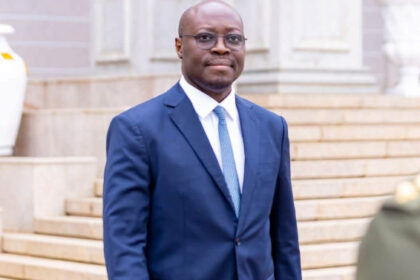




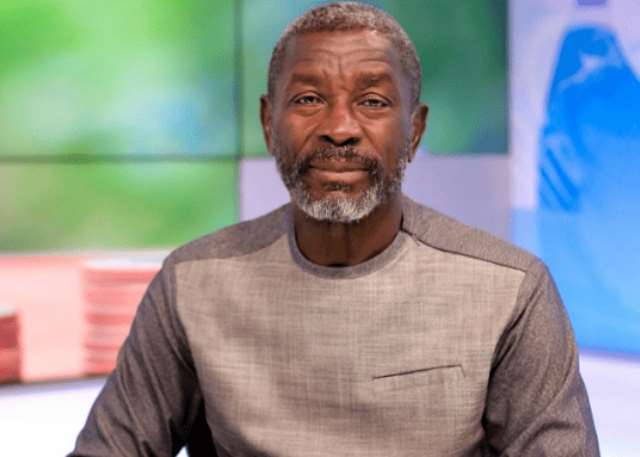
Captain Prince Kofi Amoabeng, founder of the defunct UT Bank, has recounted some of the events that preceded the collapse of the financial institution, including what he described as betrayals by staff he trusted.
The retired military officer said some employees who had earned his confidence eventually began putting their personal interests ahead of the bank’s, including allegedly making deals with customers at the expense of the institution.
Speaking on The Peswa podcast in an interview on September 29, 2026, Amoabeng recalled an incident involving a client who had applied for financing to purchase a vessel.
According to him, officers within the corporate department demanded $200,000 from the client in connection with the loan.
“At one point, officers in the corporate department had demanded that a client pay them $200,000 out of the loan they were giving the client, $200,000!! And they actually took the money,” he said.
Amoabeng explained that the client had initially requested a $1.5 million loan but was later told that the amount could be increased to $1.7 million, with the additional $200,000 allegedly going to the officers.
“Later on, it got to me that, you know, they asked for the $200,000. The client said he couldn’t take it for the money, and they said they would let him take more loan,” he said.
The UT Bank founder said he responded by removing some of the senior officers involved, but the changes did not immediately resolve the problems within the corporate banking division.
“At one point I sacked the head of corporate and his deputy. Then we quickly looked for another head for corporate banking, he was worse, so I had to sack him,” he stated.
For Amoabeng, however, one of the most painful incidents involved a trusted UT Financial Services official in Takoradi.
He explained that he had established a control unit made up of auditors and loan officers to visit branches, examine loan agreements and review payments made by the institution.
The unit later returned with a report from Takoradi that particularly shocked him.
According to Amoabeng, a loan had been approved using a two-storey building as collateral. But when the control unit visited the property, it allegedly discovered that the location was actually marshy land.
What made the discovery even more painful for him, he said, was that the area manager he trusted had signed off on the transaction.
“They brought the report from Takoradi, and Takoradi was where I had one strong UT financial service guy that I trusted, and under his watch, they had approved a loan using a two-storey building as collateral. When the control unit visited the place, it was a marshy land,” he recalled.
Amoabeng said the incident left him deeply disappointed and prompted him to question how far the situation within the institution had deteriorated.
“So, when I read the report and saw the area manager signed on it, I said, ‘If gold will rust, then what will happen to lesser metals?’” he said, placing his hands on his head.
His recollections offer a glimpse into some of the internal challenges he says confronted UT Bank before its eventual collapse, particularly the difficulty of maintaining trust and accountability within the institution.
Watch the video below (1:40:00 watchtime):