



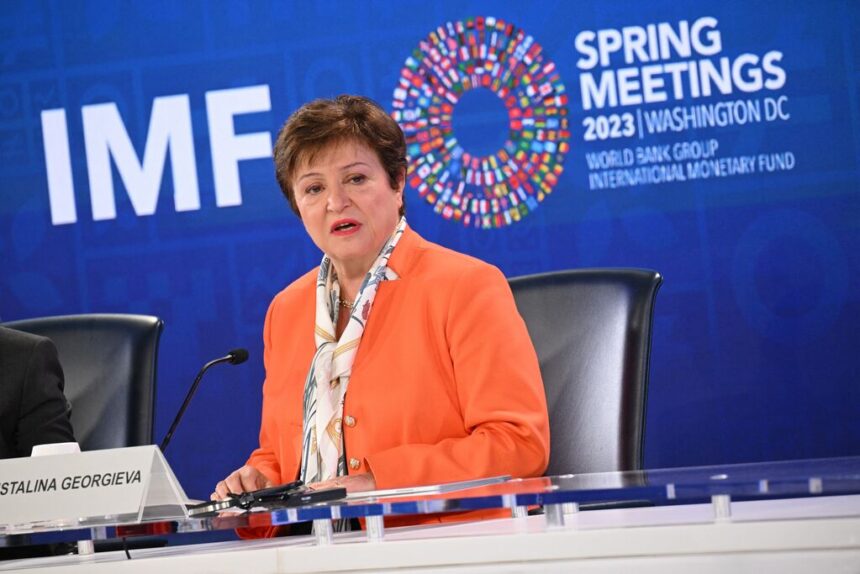
The Managing Director of the International Monetary Fund (IMF), Kristalina Georgieva, has warned that African countries are among the hardest hit by the economic consequences of the ongoing conflict in the Middle East, as rising fuel prices continue to strain economies across the continent.
According to Georgieva, although the global economy has shown resilience despite the conflict, many developing countries, particularly in Africa, are struggling with the fallout from surging energy costs.
“The global economy appears to be holding up, but this overall resilience masks significant disparities,” she said.
The IMF chief explained that oil prices have increased by approximately 30 percent since the conflict began, creating fresh inflationary pressures and putting additional strain on government finances in countries that rely heavily on imported fuel.
She noted that many African nations have limited fiscal space to cushion the impact of rising energy costs, making them especially vulnerable to external shocks.
“The strain is especially visible in Africa,” Georgieva stated.
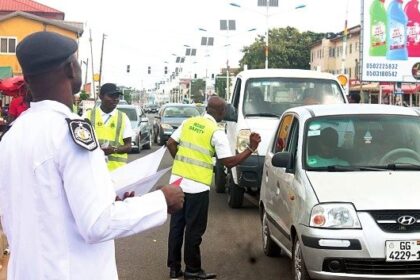
According to her, countries such as Ethiopia, Malawi and Zambia have already experienced fuel shortages, while several others have seen significant increases in fuel prices, adding pressure on households and businesses.
The IMF boss also cautioned that the impact extends beyond the energy sector. Rising fuel costs are driving up the prices of fertilisers and food, raising concerns about food security in many low-income countries.
She warned that prolonged disruptions could make it difficult for farmers to access affordable agricultural inputs, potentially reducing crop production and worsening inflation.
Georgieva, however, noted that financial markets have remained relatively stable despite the uncertainty. She added that investments in technology sectors, particularly artificial intelligence and data centres, continue to support growth in some advanced economies.
She urged policymakers around the world to remain flexible and proactive in responding to evolving economic risks while protecting vulnerable populations from the effects of rising prices.
Georgieva further assured that the IMF remains committed to supporting affected countries through financial assistance, policy guidance and capacity-building programmes aimed at strengthening economic resilience in the face of global challenges.