



Ghana is intensifying efforts to strengthen its health security systems, with the goal of upgrading its World Health Organisation (WHO) preparedness rating from level three to level five.
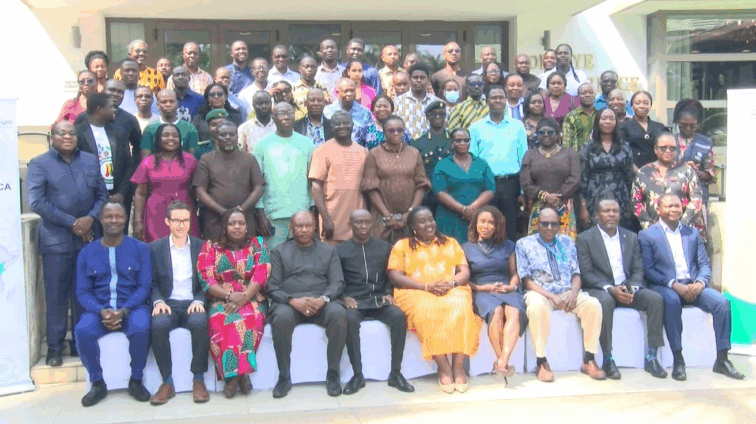
The move follows a recent WHO-led assessment that highlighted both the progress made and key gaps in the country’s ability to prevent, detect and respond to public health emergencies. The findings were presented at the opening of a three-day workshop in Accra dubbed the “Prioritisation Workshop on the National Action Plan for Health Security.”
The assessment was conducted under the Joint External Evaluation (JEE), a voluntary process established by the International Health Regulations to measure countries’ capacities to manage public health threats such as disease outbreaks and other emergencies.
In an interview, WHO Infectious Hazard Management Officer Patrick Avevor said Ghana had made notable improvements in its latest evaluation. He disclosed that about 50 per cent of the 90 technical areas assessed are now rated at level three preparedness, up from 40 per cent in the previous review.
While acknowledging the progress, Mr Avevor stressed that significant work remains, noting that the JEE framework has five levels of preparedness, with levels four and five reflecting advanced and sustainable capacity.
He explained that the identified gaps have informed the development of a five-year National Action Plan for Health Security, which focuses on strengthening systems across 19 priority technical areas. The plan sets out expected outcomes and key interventions aimed at improving preparedness, response and recovery over the next five years.
“The objective is to gradually move capacities from lower levels to levels three, four and beyond, ensuring a resilient and scalable system to manage public health threats,” he said.
The initiative comes at a time when Ghana’s health system is grappling with a complex disease burden, including infectious diseases, a rise in non-communicable diseases and the growing challenge of antimicrobial resistance.
Despite these pressures, officials say Ghana is better prepared now than before the COVID-19 pandemic, largely due to investments in surveillance, laboratory capacity and emergency response systems made during that period. However, they caution that sustaining and building on these gains will require continued reforms, adequate funding and strong political commitment.
Health authorities maintain that the success of the National Action Plan for Health Security will depend on effective cross-sector collaboration and sustained investment to ensure Ghana remains ready to respond to future public health emergencies.