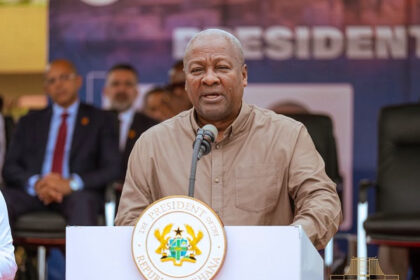





Member of Parliament for Gomoa Central, Kwame Asare Obeng, popularly known as A Plus, has given five reasons for describing Teshie as the most dangerous place in Ghana.
In a Facebook post on September 27, 2026, the MP said he had upgraded his earlier description of Teshie from the most dangerous place in the Greater Accra Region to the most dangerous place in the country.
A Plus argued that Teshie, which he said was once known as a quiet, peaceful and enviable community, had deteriorated into what he described as a “gangster’s paradise” and a haven for criminals.
He based his assessment on what he said were growing concerns over crime, insecurity and lawlessness in the community.
Here are the five reasons cited by A Plus:
- Growing concerns over crime
A Plus said there were increasing concerns about criminal activity and lawlessness in Teshie.
He argued that the situation had deteriorated to the point where the community was increasingly being perceived as unsafe, prompting questions about the effectiveness of security measures in the area.
- Security concerns raised by ride-hailing companies
The MP also pointed to concerns he said had been raised by ride-hailing companies operating in the area.
According to A Plus, information available to him suggested that some ride-hailing companies had held security meetings with the Driver and Vehicle Licensing Authority (DVLA) and the Motor Traffic and Transport Department (MTTD) of the Ghana Police Service to discuss how to address crime-related concerns in Teshie.
He cited the alleged meetings as an indication of the concerns surrounding security in the community.
- Drivers allegedly reluctant to accept night trips to Teshie
A Plus further claimed that some ride-hailing drivers were increasingly reluctant to accept trips to Teshie after dark.
He said passengers could request rides to places such as Ashaiman, Kasoa and Nima at 1 a.m. and still find drivers willing to accept the trips, but securing a ride to Teshie after 8 p.m. had become more difficult.
For A Plus, the alleged reluctance by some drivers was evidence of what he described as a growing perception of insecurity in the community.
- Presence of major security institutions
The MP also questioned why lawlessness would persist in Teshie despite the presence of several major security and military institutions in the area.
He cited the Kofi Annan International Peacekeeping Training Centre, the Ghana Armed Forces Command and Staff College, the Headquarters of the Southern Command, other military training facilities and a military shooting range.
“The irony is extraordinary. Teshie does not have just one military training facility. It hosts the Kofi Annan International Peacekeeping Training Centre, the Ghana Armed Forces Command and Staff College, the Headquarters of the Southern Command, other military training facilities and a military shooting range.
“Yet lawlessness continues to flourish around one of the greatest concentrations of security institutions in the country.
“Are you not embarrassed?” part of his post said.
- The killing of phone dealer Dinero
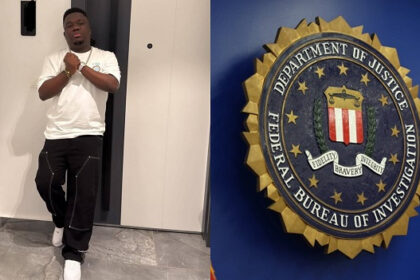
A Plus also referred to the recent killing of a phone dealer identified as Dinero, reportedly around the Teshie-Manet area.
He cited the incident alongside the other concerns as a reason residents and authorities should demand stronger leadership and improved security in the community.
However, his description of Teshie has attracted criticism from veteran broadcaster Ewulu Nii Adjei Klu, who disputed the characterisation of the community as dangerous.
The broadcaster described Teshie as a peaceful community where residents can move around freely, including at night.
“Kwame A Plus, I’m telling you, Teshie is a very, very peaceful place. Teshie is a place you can walk about, move about 24 hours,” he said.
Ewulu Nii Adjei Klu also criticised A Plus over his manner of communication, saying he was not surprised by the MP’s comments.
He further disputed the suggestion that the killing of Dinero occurred within the main Teshie township, arguing that the incident happened around the Manet area.
The broadcaster also made claims about the identities of persons arrested in connection with the killing and alleged that some migrants in the area were involved in criminal activities. Those claims have not been independently established based on the information available.
A Plus’ description of Teshie as Ghana’s most dangerous place, and the subsequent criticism from Ewulu Nii Adjei Klu, have fuelled a wider discussion about crime in the area and whether individual incidents should be used to characterise the security situation of an entire community.
See the post below: