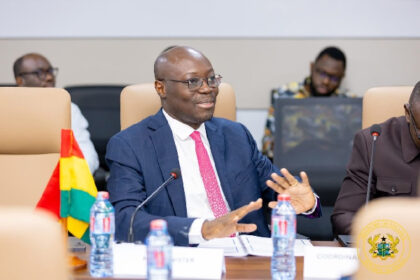




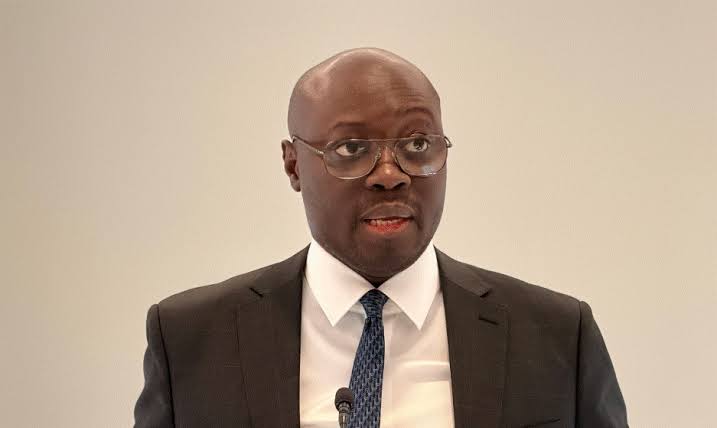
Finance Minister Dr Cassiel Ato Forson has called for a major shift in Ghana’s economy, urging the country to process more of its raw materials locally instead of exporting them and relying heavily on imported finished products.
He said the country’s continued dependence on raw material exports had limited its ability to create enough decent jobs, particularly for young people entering the workforce.
Speaking at the University for Development Studies’ Nyankpala Campus, Dr Forson identified this imbalance as one of the structural weaknesses the government’s New Economy agenda seeks to address.
“We have grown, but not transformed enough. We have exported too much in raw form and imported too much in finished form,” he said.
Focus on local production and jobs
The Finance Minister argued that economic growth had not created enough jobs for the growing number of young people seeking work.
“We have trained young people, but the economy has not created enough decent jobs to absorb their energy and talent,” he stated.
He said the government’s economic agenda would prioritise domestic production and the processing of agricultural and mineral resources to create more opportunities within the country.
According to Dr Forson, adding value to what Ghana grows and mines would help the country produce more of the goods it consumes while supporting job creation.
“It is about building an economy that produces more of what we consume. It is about adding value to what we grow and what we mine,” he said.
The approach, he explained, is intended to ensure that Ghana’s natural resources contribute more directly to local industries, employment and improved household living standards.
Stability must improve living conditions
Dr Forson also warned that economic stability alone would not be enough if the country continued to face recurring financial difficulties.
He noted that Ghana had repeatedly celebrated periods of stability only to face renewed pressure from debt, inflation and economic adjustment.
“We have celebrated stability, only to return later to pressure, debt, inflation and adjustment,” he said.
He stressed that the country needed to address the underlying weaknesses that had contributed to these recurring challenges rather than focus solely on short-term economic improvements.
For the minister, the success of the New Economy agenda would depend on whether it could strengthen local production, create decent jobs and make economic progress more visible in people’s everyday lives.
“It is about creating jobs here at home. It is about making sure that stability shows up in people’s lives,” he added.
His remarks place local manufacturing, value addition and employment at the centre of the government’s proposed economic transformation, with the broader aim of ensuring that Ghana benefits more from the resources it produces.