



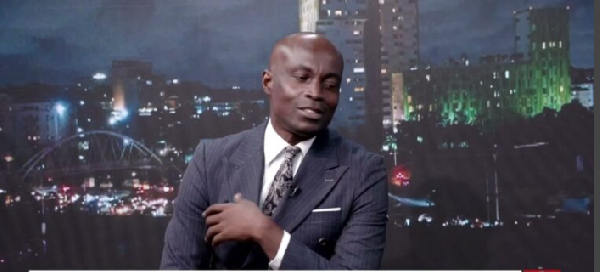
A teacher at Ekumpoano Catholic Basic School, Stephen Desu, has raised concerns about alleged transactional sexual relationships between some female students and male teachers, claiming that money and financial hardship play a role in such encounters.
Desu alleged that some female students deliberately seek financial assistance from male teachers, with the relationships sometimes developing into exchanges of money for sex.
He made the claims in an interview with Joy News on Tuesday, October 20, 2026, during a discussion prompted by sexual abuse allegations involving female students at Obuasi Senior High Technical School (SHTS).
According to him, the issue is not always a case of teachers initiating sexual relationships with students. He argued that some students also approach teachers for money, leading to what he described as transactional arrangements.
“There are girls in schools who position themselves to sexually exploit teachers for their money whilst teachers get sex from them in a transactional relationship,” Desu stated.
He pointed to financial difficulties among students, particularly challenges in accessing food and other basic necessities, as factors that could make some vulnerable to such arrangements.
Desu claimed that during periods when food shortages became a concern in schools, some teachers stepped in to provide money to female students but allegedly received sexual favours in return.
“Especially when this food issue came up in our schools, where they’re not getting food. Some teachers stepped up, and they were giving the girls money, and they were exchanging sex for the money they were giving them,” he alleged.
He also questioned whether parents could be certain that their daughters were managing to meet their needs at school if they were not receiving enough financial support.
“If you leave your girl child in school and you don’t support her with money and she’s surviving, you as a parent, what makes you think that that child is surviving just because she’s just there?” he asked.
Desu acknowledged that teaching is widely regarded as a noble profession but said misconduct by some individuals could undermine that reputation.
He argued that the large number of teachers working across the country made it important to recognise that some individuals could exploit their positions and access to students.
“I mean, all professions can boast, but the teacher taught them all. So we position ourselves as the noble profession. Unfortunately, if you have more than 300,000 persons in your classroom as teachers, you may get such persons as predators,” he said.
His comments come amid growing public concern over allegations of sexual abuse involving female students at Obuasi SHTS. More than 14 students have reportedly been linked to the allegations, while the school’s headmaster, Zakaria Abdulai, has reportedly been interdicted by the Ghana Education Service (GES) and arrested by police as investigations continue.
The allegations have renewed calls for stronger safeguards to protect students in schools and for authorities to establish the facts surrounding reported cases of sexual misconduct.
While Desu’s claims highlight concerns about financial vulnerability and abuse of trust in educational settings, the allegations he raised would need to be assessed on their individual merits. Students’ financial circumstances do not excuse sexual exploitation by teachers, who hold positions of authority and responsibility over those in their care.