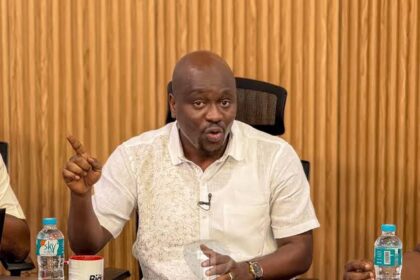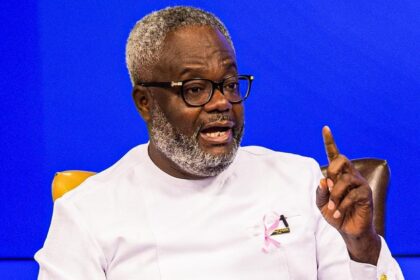





A communication team member of the governing National Democratic Congress (NDC), Daniel Nortey, has faced strong criticism after making controversial remarks during a televised discussion about the sexual misconduct allegations involving former Obuasi Senior High School headmaster Zakaria Abdulai.
Nortey made the comments during a panel discussion on ATV, and the video went viral on October 21, 2026.
During the exchange, the NDC communicator appeared to dismiss the seriousness of the allegations against Abdulai, arguing that describing the embattled former headmaster as a rapist should not be treated as unusual.
“He’s a rapist, and so what? Haven’t you done that before? Is today the first time someone is raping someone?” Nortey said.
He subsequently directed a similar question at another panelist, asking, “Haven’t you also raped someone before?”
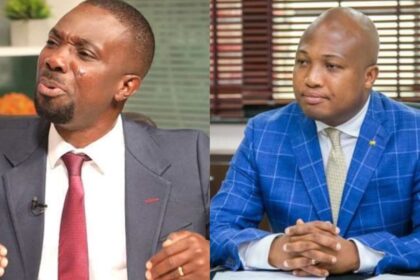
The remarks triggered a heated exchange in the studio, with a communicator of the opposition New Patriotic Party (NPP) challenging Nortey’s position. The two continued to argue as the discussion unfolded, while the host did not intervene.
The comments have drawn attention because they were made against the backdrop of allegations involving students at Obuasi Senior High Technical School, a case that has generated widespread public concern over student safety and the responsibility of school authorities.
Abdulai has been accused of sexually assaulting and engaging in sexual relationships with several female students. The allegations remain subject to investigation and should not be treated as proven findings.
The Ghana Education Service (GES) has interdicted Abdulai and referred the matter to the police for investigation.
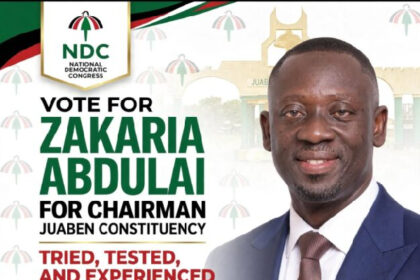
Abdulai also serves as the NDC’s General Secretary in the Juaben Constituency in the Ashanti Region. Reports have indicated that he was compelled to resign and barred from contesting the party’s upcoming constituency chairmanship election following the allegations.
Nortey’s remarks have added another layer of controversy to a case already raising difficult questions about accountability, political loyalty and the protection of students in educational institutions.
The episode has also intensified scrutiny of how public figures discuss allegations of sexual misconduct, particularly when the people involved are accused of holding positions of trust and responsibility.
As investigations continue, attention remains on the need for the allegations to be examined fairly and thoroughly, with the safety and welfare of students kept at the centre of the process.