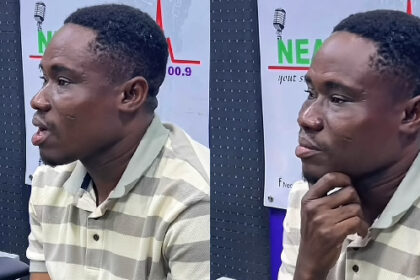





Stroke and heart disease are responsible for nearly half of deaths in Ghana, according to the Head of Cardiology at the National Cardiothoracic Centre, Prof Alfred Doku.
The cardiologist said cardiovascular diseases had become a major driver of mortality in the country, with hypertension emerging as one of the key factors behind the growing burden.
“Close to 50% of people who die in Ghana die from stroke or heart disease. That is the main thing that is driving mortality in Ghana,” Prof Doku said.
Speaking about the country’s changing disease burden, he noted that cardiovascular conditions were no longer primarily affecting older people, with an increasing number of cases being recorded among those below 50.
“It occurs in younger people, those younger than 50 years. So, the workforce is dying from heart disease and stroke,” he said, according to a report by Adomonline.com on September 9, 2026.
Prof Doku explained that Ghana had gradually moved from a disease burden dominated by communicable illnesses to one increasingly driven by non-communicable diseases.
“In the past, it was mainly malaria, TB, HIV, malnutrition, but we’ve taken care of these diseases,” he noted.
He identified hypertension as a major underlying cause of the rising incidence of cardiovascular conditions.
“The current problem is heart disease and stroke driven mainly by hypertension,” he said.
The cardiologist also addressed concerns among some patients that hypertension medication could affect their sexual performance.
According to Prof Doku, fears about erectile dysfunction have led some men to avoid or stop taking their prescribed medication, potentially putting their lives at risk.
“Some of the patients are afraid of taking the medication, especially hypertension medication, because of erectile dysfunction. They cannot perform in the bedroom,” he said.
He, however, dismissed the belief that all hypertension medicines cause erectile dysfunction, describing it as a misconception.
“And also, the myth that every hypertension medication causes erectile dysfunction is not true,” he stressed.
Prof Doku explained that erectile dysfunction can itself be associated with underlying conditions such as hypertension and diabetes, meaning the medication may not necessarily be the cause.
“So, if you’re having an issue with erectile dysfunction, it could even be the diabetes or the hypertension that is causing it, not necessarily the drug,” he said.
He urged patients experiencing side effects or other concerns to speak to their doctors rather than discontinuing their medication without medical advice.
“So, if you have any concerns, discuss with your doctor,” he advised.
According to the cardiologist, doctors have several treatment options available and can adjust or change medication when necessary to manage side effects while keeping a patient’s blood pressure under control.
“We have different medications; we can change them, adjust them so that you can perform in the bedroom,” he said.
Prof Doku warned that leaving hypertension uncontrolled could have serious consequences, including stroke, heart disease, permanent disability and death.
“But don’t stop your medication because if you stop, you will die from stroke, heart disease, or you can develop a permanent disability from a stroke,” he cautioned.
His comments underscore the growing challenge posed by cardiovascular diseases in Ghana, particularly as conditions such as hypertension increasingly affect people within the country’s working-age population.