



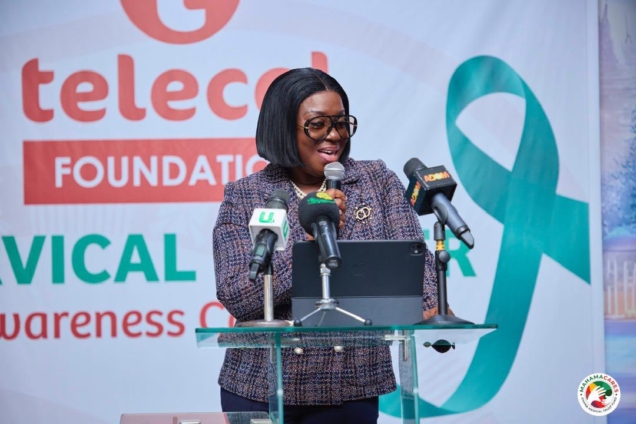
The nationwide rollout of the Ghana Medical Trust Fund, popularly known as MahamaCares, is expected to begin in June 2026, according to the programme’s administrator, Adwoa Obuobia Darko-Opoku.
Speaking at the Government Accountability Series at the Presidency on Monday, May 11, Darko-Opoku said the initiative is aimed at ensuring that no Ghanaian is denied specialised healthcare because of financial constraints.
According to a report by Adom Online, she disclosed that more than GH¢4.8 million has already been spent during the pilot phase to support 50 beneficiaries across the country.
The beneficiaries, aged between six months and 85 years, reportedly received treatment at 11 hospitals nationwide for various medical conditions, including heart surgeries, brain surgeries, chemotherapy, radiotherapy and orthopaedic procedures.
“The nationwide Patient Support Programme officially rolls out in June 2026,” Darko-Opoku stated.
She explained that the Board of Trustees has already approved an initial package of medical conditions to be covered under the scheme.
The package includes support for cancers such as breast cancer, cervical cancer, prostate cancer and childhood cancers, including leukaemia and lymphoma.
Darko-Opoku added that the programme could expand to include more medical conditions before the end of the year.
“These beneficiaries received support for heart surgeries, brain surgeries, chemotherapy, radiotherapy, and orthopaedic surgeries,” she noted.
She further outlined the eligibility requirements for applicants seeking support under the programme.
According to her, beneficiaries must be Ghanaian citizens, possess active National Health Insurance Scheme (NHIS) cards and be diagnosed with conditions approved under the scheme.
Applications, she explained, will not be handled through direct walk-ins at the Secretariat but instead processed digitally through specialist clinicians at designated hospitals.