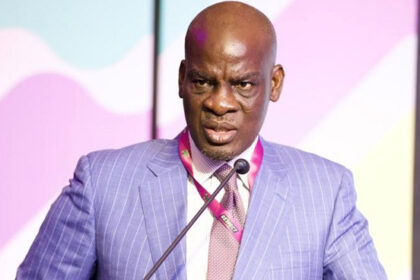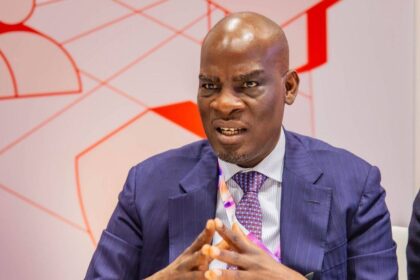




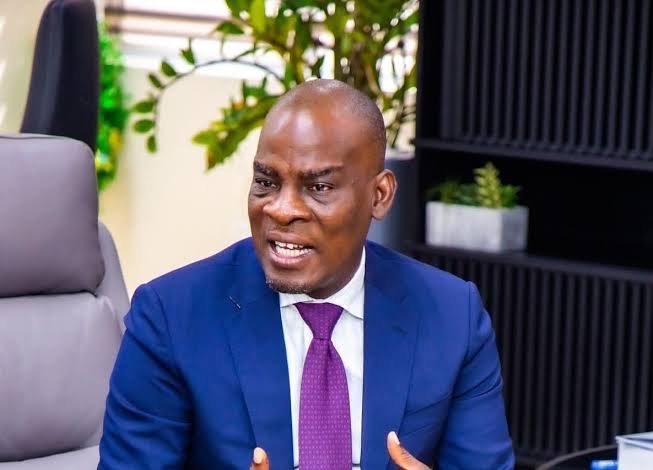
The government has allocated GH¢1.37 billion in the 2027 National Budget to upgrade senior high school infrastructure and bring an end to the double-track system, Education Minister Haruna Iddrisu has announced.
The investment is expected to improve teaching and learning conditions across secondary schools while allowing students to enjoy more consistent and uninterrupted academic schedules.
Iddrisu disclosed the allocation on Tuesday, November 24, 2026, at the launch of the Mastercard Foundation’s Secondary Education in Africa Report (Phase 2), held at the Labadi Beach Hotel in Accra.
He said the government was determined to build on the progress made in expanding access to secondary education by placing greater emphasis on the quality of teaching and learning.
The minister pointed to the impact of the Free Senior High School policy, which has contributed to a significant rise in enrolment over the years.
According to him, the number of students in secondary schools increased from approximately 813,448 in the 2016/2017 academic year to about 1.6 million between 2024 and 2026.
He added that 76 per cent of secondary-school-age young people in Ghana are currently enrolled, compared with the Sub-Saharan African regional average of 46 per cent.
However, Iddrisu cautioned that expanding enrolment alone would not address the challenges facing the education sector, particularly the need to improve learning outcomes.
He identified weaknesses at the Junior High School level as one of the issues requiring urgent attention.
Referring to the 2025 National Education Forum Report, he said the historical neglect of the JHS sub-sector had contributed significantly to quality challenges experienced at the senior high school level.
He therefore called for successful interventions under the Leaders in Teaching (LiT) initiative to be extended to junior secondary education, urging the Mastercard Foundation and other development partners to support the effort.
GH¢292m allocated for free sanitary pads
The Education Minister also announced that GH¢292 million had been earmarked in the 2027 Budget to provide free sanitary pads to schoolgirls.
He said the intervention was intended to ensure that girls did not miss classes because they lacked access to sanitary supplies.
Iddrisu further stressed the importance of making learning materials accessible to students with disabilities and strengthening measures to address persistent absenteeism in schools.
Minister calls for stronger career guidance
Beyond improving access and infrastructure, Iddrisu highlighted the need to prepare students for life after secondary school.
He said young people should receive structured career guidance while still in school to help them make informed decisions about tertiary education, technical and vocational training, apprenticeships and entrepreneurship.
He called on employers, technical institutions and government agencies to work together to create opportunities for students through supervised workplace placements and mentorship programmes.
He also urged stakeholders to help young people gain access to seed capital and markets so they could pursue entrepreneurial opportunities.
Addressing the African Education Ministers and other delegations at the event, Iddrisu challenged each country represented to identify at least one major systemic barrier highlighted in the report and commit to addressing it within the next 12 months.
He said such commitments must be backed by clearly defined institutional responsibilities, dedicated financial and technical resources, public reporting mechanisms and the active involvement of teachers and young people in monitoring progress.
The minister maintained that the success of secondary education should not be measured solely by enrolment figures or the number of students graduating.
Instead, he said, attention must also be paid to whether graduates have the skills, knowledge and opportunities to secure decent employment, establish businesses or pursue further education.
The launch brought together Education Ministers from Ghana, Liberia, Rwanda and Sierra Leone, alongside representatives of the Mastercard Foundation, education practitioners, researchers, development partners and other stakeholders to discuss ways of improving secondary education across Africa.