



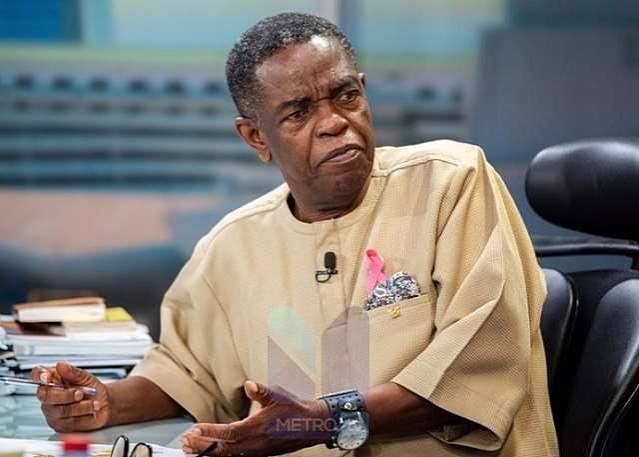
Veteran journalist Kwesi Pratt Jnr has questioned the government’s decision to reportedly submit Ghana’s 2027 Budget to the International Monetary Fund (IMF) for approval, arguing that the arrangement raises concerns about the country’s economic independence.
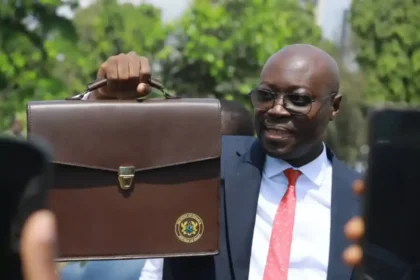
Speaking ahead of the presentation of the 2027 Budget Statement and Economic Policy to Parliament on November 12, 2026, Pratt said he was alarmed by reports that the IMF had reviewed and approved the budget before it was presented to Parliament and the Ghanaian public.
He questioned why the government would celebrate Ghana’s exit from the IMF programme while seemingly allowing the Fund to vet one of the country’s most important economic policy documents.
“The budget which is going to be announced tomorrow evening. I was, I was so seriously worried. Why? This is our budget. This is Ghana’s budget. And before the budget is released, we are told that the IMF has approved it,” he said.
Pratt argued that the reported involvement of the Fund raised questions about who ultimately controls Ghana’s economic decisions.
“At the time when we are boasting about exiting the IMF programme, if you have exited the IMF programme, why are we submitting our budget to IMF for approval?” he asked.
He further pointed to the IMF’s commentary on the budget, suggesting that the Fund appeared to have detailed knowledge of the government’s plans, expected revenue and the likely impact of its proposed measures.
According to him, this raised doubts about the extent of the government’s independence in determining its economic priorities.
“Who is in charge? Is it the IMF? Is it our Ministry of Finance? I’m confused. We are either under an IMF programme or we are not,” he said.
Pratt recalls Ghana’s history with the IMF
The veteran journalist warned against allowing the IMF to become the institution that determines what Ghana should do or approves the country’s policy decisions.
He argued that the government should be more concerned about the views and interests of Ghanaians than the Fund’s assessment of its budget.
Pratt also referred to Ghana’s repeated engagements with the IMF over the years, claiming that the country had entered programmes with the institution 18 times, with disappointing outcomes.
“Because we do know we’ve been there eighteen times. Every time we’ve come out it’s been more disastrous than before we went there. So what’s this reliance on the IMF?” he questioned.
He also took issue with reports that the IMF had met government officials, received explanations of the administration’s plans and expressed satisfaction with them.
For Pratt, the more important question was whether the people of Ghana supported the government’s economic direction.
“And the IMF is telling us that they’ve met government officials, government has told them what they’re going to do and they’re happy with it. Is it the IMF who should be happy with our budget or the people of Ghana?” he asked.
He described the reported development as alarming, insisting that Ghanaians wanted the Fund to have less influence over the country’s economic affairs.
“So, I was very alarmed when we were reading that report, just very alarming. You understand? We want the IMF off our backs, at least for a change. That’s number one,” he added.
His comments have brought renewed attention to questions about Ghana’s economic policy independence following its exit from the IMF programme and the extent of the Fund’s involvement in the country’s budget process.