



Ghana received development support worth $113.3 million from the United Nations in 2025, helping to improve healthcare, reduce poverty, strengthen security and advance climate resilience despite growing pressure on global aid budgets.
According to the UN Country Team’s 2025 Annual Results Report, the funding was delivered through 34 UN agencies working alongside 185 implementing partners under seven joint programmes across the country.
The report revealed that the UN increased its programme delivery rate from 64 percent in 2024 to 80 percent in 2025, reflecting stronger implementation and coordination efforts.
One of the most significant outcomes highlighted was the reduction in multidimensional poverty, with approximately 950,000 Ghanaians reportedly moving out of poverty between the fourth quarter of 2024 and the third quarter of 2025.
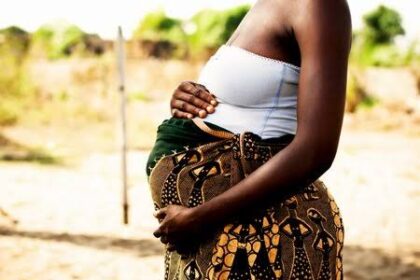
The report also recorded improvements in maternal healthcare, with maternal mortality declining from 310 deaths per 100,000 live births to 234 deaths per 100,000 live births during the period under review.
The UN’s interventions focused on five major areas: poverty reduction and economic inclusion, health and social services, peace and governance, disability inclusion and gender equality, and climate finance and digital transformation.
Despite ongoing security concerns in parts of the country, the report indicated that Ghana’s overall security environment remained stable. However, it noted that about 34,000 people were displaced by the Gbinyiri conflict, while more than 150 deaths were linked to the protracted Bawku conflict.
To strengthen border security, immigration patrol coverage was expanded from 12 kilometres to 22 kilometres.
The report further highlighted efforts aimed at promoting peace and social cohesion. More than 24,000 students received digital safety awareness training, while 54 journalists were trained in conflict-sensitive reporting. Peace messaging campaigns generated approximately 1.5 million video views and reached around 100,000 radio listeners.
In the area of gender and social inclusion, child marriage prevalence reportedly declined from 19 percent to 16.1 percent, while a national disability data framework was developed to improve planning and service delivery for persons with disabilities.
Climate-related interventions also featured prominently. The UN reported that its programmes helped divert over 24,000 tonnes of organic waste from landfills and supported the development of Ghana’s disaster risk financing strategy.
The organisation also contributed to the advancement of a parametric flood insurance initiative designed to protect about 4.9 million people from climate-related disasters.
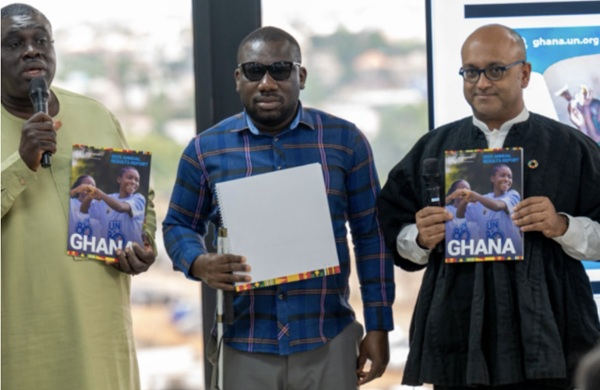
Speaking at the launch of the report in Accra, Zia Choudhury said the improved results were driven by stronger coordination and accountability among UN agencies.
“We are improving our delivery rates because we are ready to deliver with greater discipline and greater reliability across the 34 agencies,” he stated.
Choudhury noted that although the UN’s annual budget of over $113 million may appear small compared to major infrastructure spending, the resources are strategically targeted to maximise impact.
Also speaking at the event, David Klotey Collison described the United Nations as a key development partner supporting Ghana’s efforts in social protection, economic transformation, climate resilience and peacebuilding.
He stressed that while Ghana has made progress in strengthening fiscal management and domestic revenue mobilisation, international partnerships remain essential to achieving the country’s long-term development goals.
The report underscores the continued importance of international cooperation as Ghana shifts its focus from economic stabilisation towards long-term growth, resilience and sustainable development.