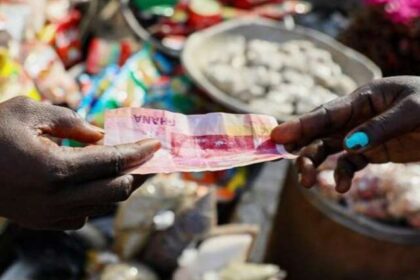




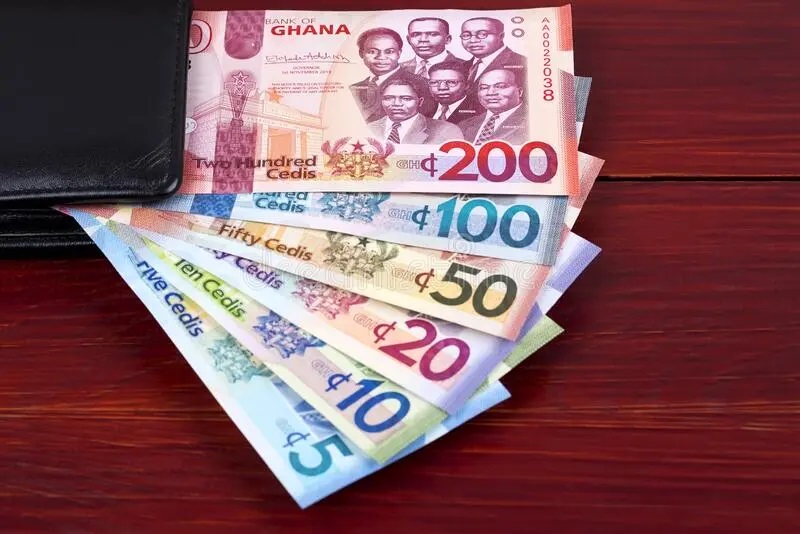
Ghana’s foreign exchange reserves have climbed to their highest level in more than a year, but the gains have failed to stop the continued depreciation of the cedi amid rising dollar demand and high oil prices.
Recent data from the Bank of Ghana showed that gross international reserves increased to US$14.4 billion as of May 18, 2026, representing 5.7 months of import cover, up from US$13.8 billion at the end of December 2025.
The reserve build-up also coincided with an improvement in Ghana’s external position during the first quarter of 2026, with the current account surplus widening to US$3.10 billion from US$2.43 billion during the same period in 2025.
Bank of Ghana Governor Dr Johnson Pandit Asiama said the stronger external position was driven by robust gold and cocoa export earnings as well as resilient remittance inflows.
However, despite the stronger reserves, the cedi has continued to weaken against the US dollar.
The cedi depreciated by 8.4 percent against the dollar in the interbank market by May 15, according to the central bank, while analysts estimate the losses have widened further in recent weeks.
Databank Group Research said the cedi’s year-to-date depreciation had reached 10.11 percent by the third week of May due to sustained foreign exchange demand pressures.
The local currency traded at about GH¢11.63 to the dollar on the interbank market, while retail market rates weakened to around GH¢12.20 per dollar.
Dr Asiama attributed the pressure mainly to increased dollar demand from the energy sector and seasonal dividend payments by multinational companies.
“Our auction is still there. We have announced it, pre-announced it; the banks are aware. We continue doing what we are doing,” he said.
The Governor explained that the central bank is maintaining its regular foreign exchange auctions while focusing on rebuilding reserve buffers after recent economic challenges.
“We are not intervening; we are rather building reserves. The auctions are a regular part of our intermediation efforts,” he stated.
According to him, the Bank of Ghana has programmed around US$1 billion in FX supply for release into the market this month through twice-weekly auctions.
Analysts believe the central bank is attempting to balance reserve accumulation with efforts to prevent excessive exchange-rate volatility that could worsen inflation and fuel prices.
Databank Research noted that the cedi’s recent depreciation exceeded its forecast range partly because the central bank appeared cautious with its FX supply despite expectations of further support from the International Monetary Fund.
The research firm suggested the Bank of Ghana may be preserving reserves while waiting for more sustainable foreign exchange inflows.
Analysts also linked the cedi’s weakness to geopolitical tensions in the Middle East, which have contributed to elevated crude oil prices and increased pressure on Ghana’s foreign exchange market.
Dr Asiama said any easing in tensions and a drop in oil prices could help reduce pressure on the local currency.
“But for now, the pressures are real and we understand why they must be there at this time,” he said.
Databank forecasts the cedi to trade between GH¢11.55 and GH¢11.86 to the US dollar over the next two weeks, depending on foreign exchange demand and the scale of central bank interventions.