



Unemployment has been identified as the most pressing issue facing Ghana, with 46% of citizens ranking it as the country’s biggest challenge, according to a new nationwide survey by the Institute of Economic Affairs (IEA).
The poll, conducted in December 2025, gathered responses from more than 1,000 people across all regions of the country. The findings show that joblessness far outweighs other concerns in the minds of Ghanaians.
Illegal mining, widely known as galamsey, was ranked the second most important issue, with 30% of respondents citing it as the nation’s most serious problem. The strong showing reflects increasing public concern over environmental degradation, water pollution, and the long-term impact of mining activities on natural resources.

In its report, the IEA stated that 46% and 30% of respondents identified unemployment and illegal mining, respectively, as the top issues confronting the country.
Corruption, which has featured prominently in national discussions in recent years, was named by only 9% of participants as the foremost concern. The general state of the economy was mentioned by 8%, while housing and transportation were cited by 2.6% and 1.5% of respondents, respectively.
The results suggest that although economic management and governance remain relevant issues, many Ghanaians are more immediately concerned about job opportunities and environmental protection.
The IEA noted that policies focused on employment generation and stricter regulation of illegal mining are likely to gain strong public support, especially if they yield tangible results.
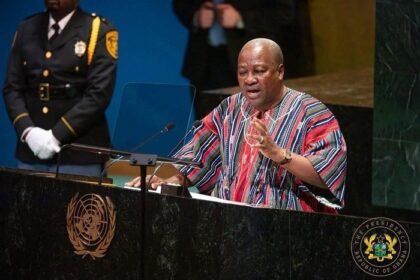
The survey was conducted a year after President John Dramani Mahama took office on January 7, 2025. Despite the challenges identified, the poll found that the President currently enjoys a 68% approval rating, indicating continued public confidence in his administration’s ability to address key national concerns.
The institute added that how effectively these issues are tackled could significantly shape public perceptions of leadership and governance in the years ahead.