



The government is optimistic about stronger growth in the trade and industrial sector in 2026, building on key policy and regulatory achievements recorded in 2025.
The Minister for Trade, Agribusiness and Industry, Mrs Elizabeth Ofosu-Adjare, said that although the ministry inherited challenging conditions, 2025 was used to initiate a “reset agenda” aimed at stabilising the sector and repositioning industry and agribusiness for sustained growth.
She explained that a central priority during the year was direct engagement with industry stakeholders to identify operational challenges and implement practical solutions to improve the business environment.
One of the most impactful policy measures introduced in 2025, according to the minister, was the extension of the repatriation period for export proceeds from 60 to 120 days.

The adjustment is expected to ease cash-flow constraints for exporters, enhance compliance, and improve Ghana’s export competitiveness, particularly for manufacturers and agribusiness firms operating in regional and global markets.
“At the Ministry of Trade, Agribusiness and Industry, we can say it has been a good year, even though what we inherited was not the best. We have been able to begin the reset agenda, and it has started well. We engaged industry players, discussed their concerns and addressed them,” Mrs Ofosu-Adjare said.
She noted that the extension of the export proceeds repatriation period was a key outcome of these engagements, describing it as a major relief for businesses.
The minister made the remarks during a sideline interview with the media at the Ministry’s carol service.
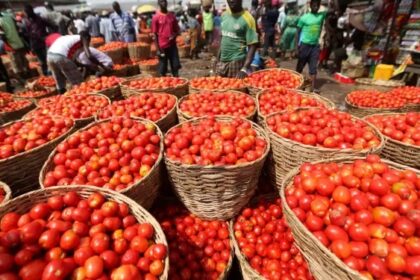
She further disclosed that the ministry strengthened collaboration with traders and agribusiness operators, leading to the successful organisation of an agribusiness dialogue that has laid the foundation for a comprehensive national agribusiness policy.
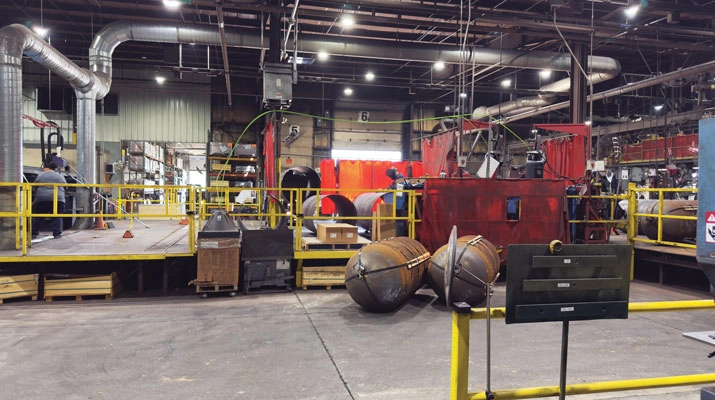
In addition, she highlighted progress made on several sector-specific frameworks, including a draft textile and garment policy, a draft pharmaceutical bill, and proposals to promote component manufacturing.
According to her, these initiatives are designed to boost local value addition, encourage import substitution and broaden Ghana’s industrial base.
“We are working closely with traders and agribusiness practitioners. This year, we organised an agribusiness dialogue, and now we have an agribusiness policy. We also have draft policies for textiles and garments, pharmaceuticals, and component manufacturing, among others,” she said.
Mrs Ofosu-Adjare commended the staff of the ministry for their dedication, attributing the year’s achievements to teamwork and strong leadership.
She expressed confidence that the sector would perform even better in 2026 and extended Christmas wishes to stakeholders, expressing hope for a more prosperous year ahead.