



Ghana’s multidimensional poverty rate fell to 21.9 percent in 2025, with close to one million people moving out of poverty within a year, according to the Ghana Statistical Service (GSS).
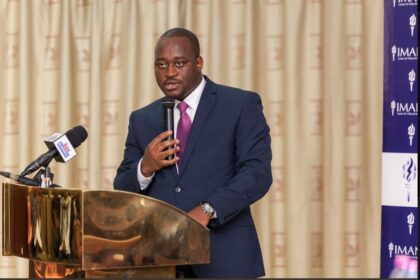
Presenting the latest figures, Government Statistician Dr Alhassan Iddrisu said the incidence of multidimensional poverty—measured across health, education, living conditions and employment—declined from 23.9 percent in the first quarter of 2025 to 21.9 percent by the third quarter.
The data also shows progress compared with 2024. Multidimensional poverty dropped from 24.9 percent in the fourth quarter of 2024 to 21.9 percent in the third quarter of 2025, confirming what Dr Iddrisu described as a sustained downward trend.

Between the second and third quarters of 2025, more than 360,000 people exited multidimensional poverty, while approximately 950,000 people moved out of poverty between the third quarter of 2024 and the same period in 2025.
Dr Iddrisu noted that the decline reflects gradual improvements in living conditions but cautioned that the fundamental drivers of poverty remain largely unchanged.
According to the GSS, health and living conditions continue to be the biggest contributors to deprivation. Key challenges include limited health insurance coverage, poor nutrition, overcrowding and inadequate sanitation, which persisted throughout 2024 and 2025.
Despite the national gains, the report highlights significant regional disparities. The Northeast and Savannah regions recorded multidimensional poverty rates above 50 percent in both the second and third quarters of 2025—more than twice the national average.
In contrast, Greater Accra and the Western Region posted poverty rates below 20 percent, pointing to deep geographical inequalities.
The figures also reveal a stark urban–rural divide. In the third quarter of 2025, multidimensional poverty stood at about 32 percent in rural areas, compared with roughly 14 percent in urban centres, representing an 18-percentage-point gap.
Dr Iddrisu said the findings underscore the need for targeted and inclusive policies, stressing that further reductions in poverty will depend on interventions tailored to regional and local realities rather than a one-size-fits-all approach.