



The Government of Ghana has initiated high-level discussions with the Economic Community of West African States (ECOWAS) and the World Food Programme (WFP) as part of renewed efforts to resolve a massive oversupply of grains and cereals that is causing significant post-harvest losses for local farmers.
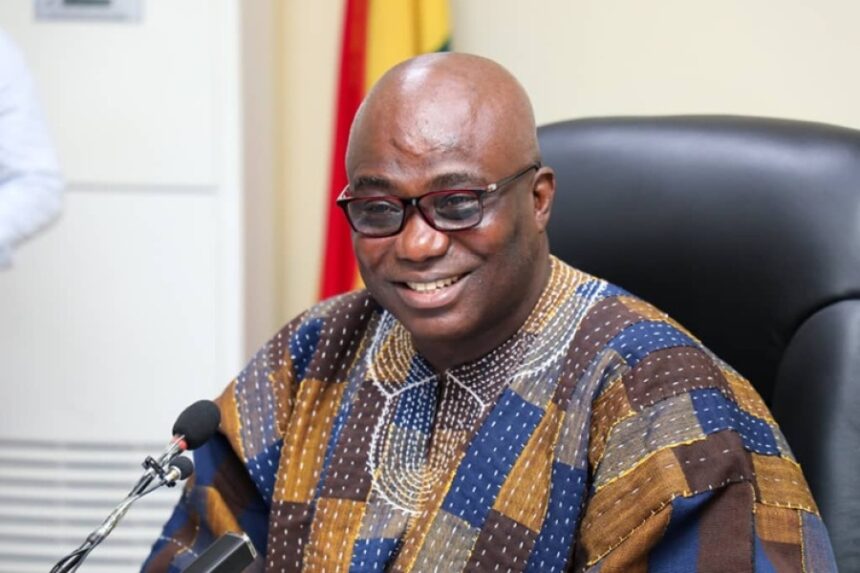
The announcement was made by the Minister for Food and Agriculture, Eric Opoku, during the Government Accountability Series on Monday, November 24, 2025. The surplus, affecting key crops like maize and rice, as well as eggs, has led to a major market glut and financial hardship for producers.
International Intervention and Domestic Measures
Minister Opoku detailed the dual approach involving international partnerships and domestic procurement:

- ECOWAS Engagement: The regional body was invited to the discussions because of its “responsibility to maintain strategic reserves against emergencies.” ECOWAS officials were scheduled to meet with the Minister to determine immediate interventions to absorb the excessive stocks.
- World Food Programme (WFP) Partnership: The WFP is engaging international counterparts in other jurisdictions to explore opportunities to “mop up the excess” grains from the Ghanaian market. Furthermore, the ministry is in talks with other West African and African governments experiencing cereal shortages who have expressed interest in procuring Ghana’s surplus.
- National Buffer Stock: Domestically, the National Food Buffer Stock Company (NFBSC) has already started its procurement processes to absorb part of the surplus stock and alleviate pressure on struggling producers.
Focus on Value Addition: Reviving the Shea Industry
In related announcements, Minister Opoku confirmed the inauguration of the PBC Shea Board and the successful revival of the PBC Shea Butter Factory. The facility, which was originally commissioned in 2015 but collapsed in 2019, has been fully restored over the past ten months.
Opoku celebrated the successful turnaround, noting that the factory has already secured export contracts to supply shea butter to the Netherlands and other international markets. Describing Ghanaian shea butter as “premium” globally, the Minister stated that measures are being considered to restrict the export of raw shea nuts, aiming to significantly expand local processing capacity and boost domestic value addition to meet rising global demand.