



The Chief Executive of the Volta River Authority (VRA), Edward E. Obeng-Kenzo, says Ghana’s ambition to build a successful 24-Hour Economy will depend on the availability of reliable, affordable and sustainable electricity.
According to him, the country’s drive towards industrialisation cannot be achieved without a stable power supply capable of supporting round-the-clock economic activity.
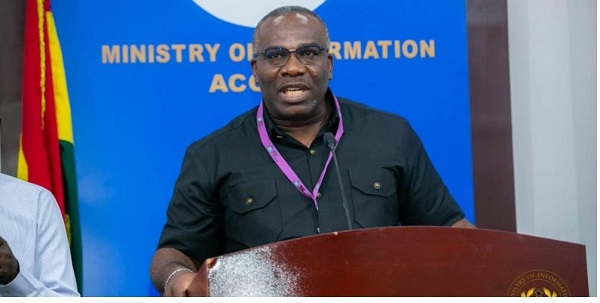
Delivering the keynote address at the second Ghana Institution of Engineering (GhIE)-Professor Douglas Boateng Lecture Series in Accra, Obeng-Kenzo described the government’s 24-Hour Economy and Accelerated Export Development Programme as a major opportunity to transform Ghana into a competitive, industrial and export-oriented economy.
He, however, stressed that industries, hospitals, transport systems, data centres and other businesses cannot operate continuously without dependable electricity.
He said reliable power remains the foundation of every successful economy, adding that the reliability, affordability and availability of electricity would determine the effectiveness of the 24-Hour Economy policy.
Speaking on the theme, “Power never sleeps: VRA, the 24-Hour Economy and the industrial future of Ghana,” the VRA boss highlighted the Authority’s contribution to Ghana’s energy sector over the past six decades.
He noted that the VRA has expanded beyond hydroelectric generation at Akosombo and Kpong to include thermal and renewable energy, with an installed generation capacity of about 2,547 megawatts, supplying electricity to Ghana and some neighbouring countries.
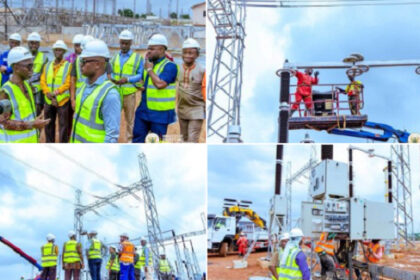
Obeng-Kenzo said the Authority is investing in renewable energy projects, upgrading its generation facilities and deploying smart technologies to build a cleaner, more resilient and reliable electricity system capable of supporting continuous industrial production.
Although Ghana has made significant progress in expanding access to electricity, he said further investment is needed in grid modernisation, battery storage, digital monitoring systems and other critical infrastructure to meet growing energy demand.
He added that the energy sector has evolved beyond serving as a support system for the economy and has become a critical driver of industrialisation, employment, investment and regional integration.
Reaffirming the VRA’s commitment to supporting Ghana’s development agenda, Obeng-Kenzo said, “Just as the Volta River continues to flow day and night, season after season, so too must our commitment to powering Ghana’s development remain unwavering. People may rest, but progress cannot sleep; neither can power.”
In a welcome address delivered on behalf of the President of the Ghana Institution of Engineering, Ludwig Annang Hesse, by the institution’s Executive Director, Dr Enyonam Kpekpena, the GhIE said the lecture series was designed to explore how the VRA’s experience, infrastructure and strategic position could help drive Ghana’s transition to a productive 24-hour economy and a stronger industrial future.