



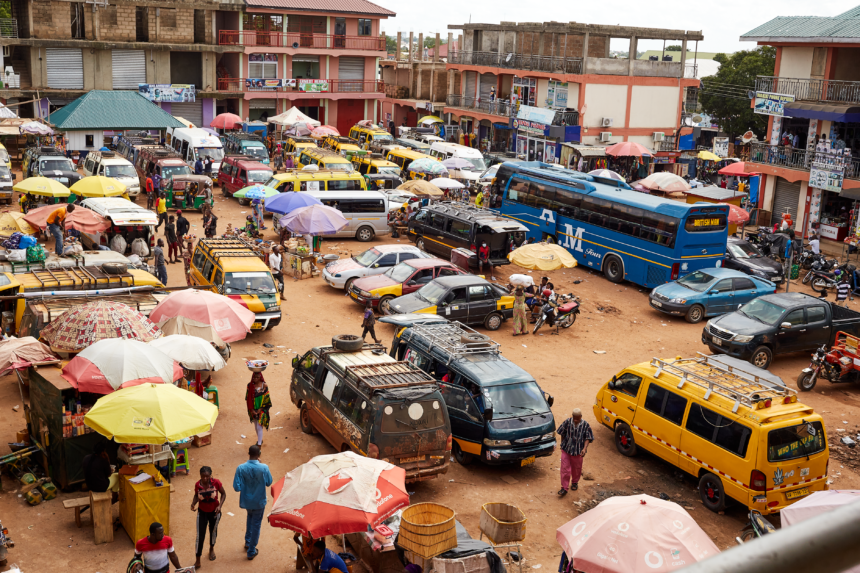
Ghana continues to face escalating traffic congestion and urban mobility challenges, and the National Development Planning Commission’s (NDPC) Transport Infrastructure Framework (2018–2047) underscores the pivotal role of local government in resolving the crisis.
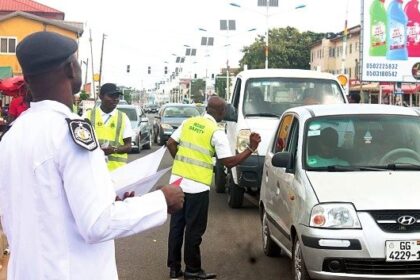
The long-term plan, part of the broader Ghana Infrastructure Plan (GIP), identifies persistent gaps in urban transport infrastructure and emphasizes the need for stronger decentralized action. It calls for improvements in traffic management, road networks, and public transport systems across the country’s rapidly expanding cities.
The issue was highlighted during a discussion on the Citi Breakfast Show where Citi FM and Channel One TV Managing Director Samuel Attah-Mensah argued that Ghana’s transport challenges cannot be solved merely by adding more buses. He stressed that inequalities in vehicle ownership mean most low-income residents rely on public transport but often lack access to essential infrastructure, including proper roads, bus terminals, and organised trotro stations.
Attah-Mensah further noted that Ghana already has a long-term roadmap for transport under the NDPC’s 2018–2047 framework, which designates transport infrastructure as a national priority. However, he highlighted weak implementation, especially at the local government level, as a major obstacle.
Programme host Bernard Avle added that urban mobility must be central to public discourse, urging local government institutions to take more responsibility in managing transport systems effectively.
Local Government at the Core of Urban Transport Management
According to the NDPC framework and Ghana’s decentralization laws, Metropolitan, Municipal, and District Assemblies (MMDAs) are expected to play leading roles in urban transport planning and implementation.
Supervised by the Ministry of Local Government, Decentralisation and Rural Development (MLGDRD), MMDAs are responsible for municipal roads, traffic management, spatial planning, and basic urban infrastructure—all critical components for effective urban mobility.
This aligns with remarks from Dr. Gameli Hoedoafia, Executive Secretary of the Inter-Ministerial Coordinating Committee (IMCC) on Decentralisation, who stated that transport challenges are primarily district-level responsibilities, emphasizing the importance of local governance in addressing Ghana’s urban transport crisis.