



The government’s push toward a 24-hour economic model is beginning to yield promising results, with pilot industrial zones reporting increased output and night-shift employment, Vice-President Professor Naana Jane Opoku-Agyemang has revealed.
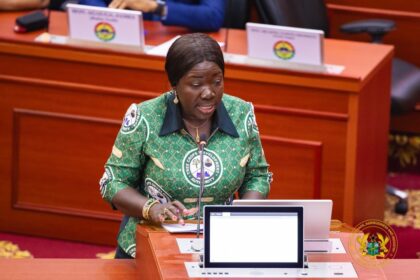
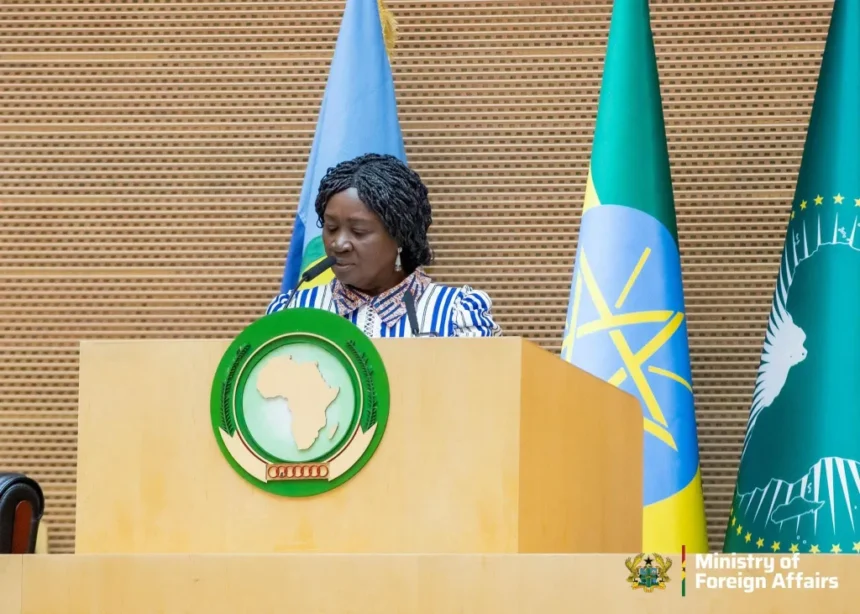
Speaking at the 14th Ghana Industry and Quality Awards in Accra on November 30, Prof. Opoku-Agyemang described the 24-Hour Economy initiative—one of President John Dramani Mahama’s flagship policies—as a key driver for boosting productivity, creating jobs, and stimulating economic activity.
“In pilot areas such as the Tema Light Manufacturing Belt, 24-hour operations have already seen significant increases in production and employment during night shifts,” she noted. “This model multiplies capacity, maximises resource utilisation, and generates jobs.”
The Ghana Industry and Quality Awards, organised by the Association of Ghana Industries (AGI), recognise excellence across various sectors and serve as the culmination of National Industrial Week. Award-winning companies this year included Honeycomb Foods Ltd, Pioneer Business Investments Ltd, Eden Tree, CBI Ghana Ltd, Nexans Kabelmetal Ghana Ltd, Niche Cocoa Industry Ltd, and Nestlé Ghana Ltd. The awards are supported by the Ghana Standards Authority (GSA) and the Ministry of Trade, Agribusiness and Industry (MoTAI).
Prof. Opoku-Agyemang emphasised that the 24-Hour Economy policy forms part of a wider industrialisation strategy designed to enhance economic resilience and export competitiveness. The initiative encourages manufacturing and light industries to operate in continuous shifts, supported by essential public services such as ports, regulatory agencies, and licensing bodies.
While celebrating the gains, the Vice-President acknowledged ongoing challenges, including inconsistent power supply, limited access to credit, and high utility costs, which have kept some industries operating below capacity. She assured industry players of government support through improved access to raw materials, preferential procurement for local products, and better export opportunities facilitated by infrastructure investments, including modernised ports and the Boankra Inland Port.
Supporting the initiative, Trade, Agribusiness and Industry Minister Elizabeth Ofosu-Adjare highlighted ongoing regulatory reforms and digitalisation efforts that are simplifying processes, reducing delays, and improving transparency for businesses. She encouraged manufacturers and exporters to take advantage of government interventions, including procurement initiatives that prioritise locally made goods, such as the Free Sanitary Pads Initiative for schools.
Outgoing AGI President Dr Humphrey Ayim Darke underscored that the success of the 24-Hour Economy also depends on fair competition and market integrity. He called for stricter border controls, strengthened customs enforcement, and collaboration among regulators to combat substandard and smuggled goods. Dr Darke further urged the government to establish clear penalties and enforcement measures to protect the local market.